
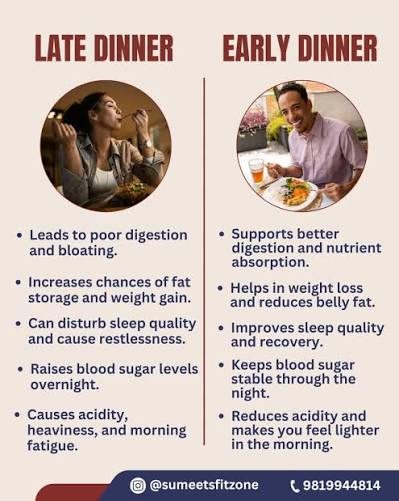
WASHINGTON : Eating dinner late is often linked to poor heart health, but cardiologists say meal timing is only one part of the bigger picture. Late or heavy meals may affect digestion, sleep and overnight metabolism, while food choices, portion sizes, physical activity and overall lifestyle also play an important role.
We’ve all heard that eating dinner late is bad for the heart. But is there really a “right” time to finish your meal? Cardiologists say timing can matter, but it’s not the whole story. Our body follows a natural 24-hour rhythm that affects metabolism, blood pressure, and hormones.
Eating large meals late at night, especially just before bed, may interfere with these processes. The American Heart Association notes that irregular or later eating patterns are associated with cardiometabolic problems such as high blood pressure, diabetes and cardiovascular disease. However, experts point out that this doesn’t necessarily mean a late dinner directly causes heart disease.
“Late-night eating often goes hand in hand with other habits, such as poor sleep, less physical activity or choosing heavier foods,” cardiologists say. So it can be difficult to separate the effect of meal timing from the rest of our lifestyle," says Dr Subhash Chandra, Chairman, Interventional Cardiology and Structural Heart Program, BLK MAX.
Dr Subhash says the good news is that you don’t need to panic if dinner occasionally runs late. Instead, focus on the bigger picture: eat balanced meals, avoid very heavy food close to bedtime, stay active and get enough sleep. In short, when you eat may matter, but what you eat, how much you eat, and your overall lifestyle matter too.
Timing matters, but it's not the whole story
"When it comes to meal timing and heart health, it is rarely about a single factor in isolation. Eating dinner very late can affect digestion, sleep quality, and the way the body handles fats and sugars overnight. Yet timing is only one piece of the puzzle. What you eat, how much you eat, and your daily routine matter just as much," reveals Dr Shilpa Vora, Chief R&D Officer, Marico Limited & Foods Expert, Saffola.
Why real life doesn’t always allow “perfect” timing
Dr Shilpa says, "Research shows that family commitments, work hours and cultural traditions make an early dinner unrealistic for many people. Rather than overhauling evenings, it is more useful to talk about small buffers: a lighter meal, mindful eating and a short walk afterwards. These simple steps can soften the impact when dinner runs late."
Moving from restriction to sustainable habits
She further explains that fear-based messages about eating late rarely lead to lasting behavioural change. What works is helping people understand why timing matters alongside what type of food they eat, and giving them practical ways to adjust. Choosing balanced meals with more whole foods, vegetables and necessary proteins, supports the heart at any hour.