
NEW DELHI: Forum shopping is not a litigant’s right. It is an abuse that the courts will no longer tolerate, the Supreme Court said recently, while transferring a commercial suit between two southern traders from the Delhi High Court to the Madras High Court.
It observed that the need to transfer the proceedings was not driven merely by considerations of convenience.
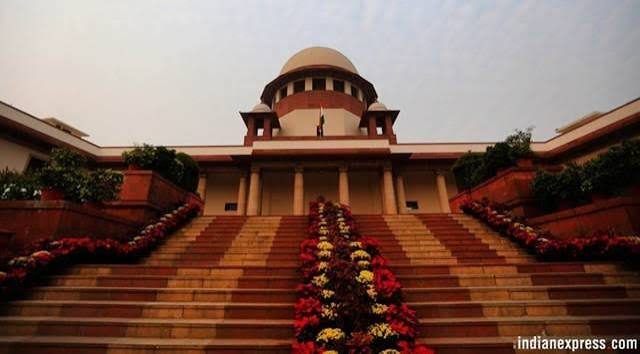
A view of the Supreme Court of India building in New Delhi.
Justices B V Nagarathna and R Mahadevan allowed the transfer petition filed by Sai Maghalakshmi Traders, Chennai, against Sri Lakshmi Srinivasa Agro Foods, whose principal place of business is in Bengaluru Rural district.
The defendants argued that Delhi had no business to hear it and that Madras was the natural forum.
“We fail to understand as to why the respondents/plaintiffs have filed the suit before the Delhi High Court when both the parties are residing in the neighbouring states of Karnataka and Tamil Nadu and the Madras High Court also has original jurisdiction to entertain the suit,” the top court bench observed.
The court rejected the argument, often made in IP dispute cases, that because infringement can happen everywhere, the plaintiff can sue anywhere. It said the mere existence of territorial jurisdiction in various courts cannot by itself justify forum shopping.
More importantly, it said such shopping cannot be allowed to perpetuate notions of a hierarchy among high courts. The Constitution does not rank high courts. Litigants cannot rank them by filing patterns.
Forum shopping, the court has said, undermines the equal constitutional status of high courts. It will not be rewarded.
The bench held that transfer would serve the interests of justice, expeditious disposal and practical convenience.
Both parties are in South India. Their businesses, witnesses and documents are all in the South. There was no reason to make them travel to Delhi for every hearing.
The parties have been given liberty to appear before the Madras High Court in person or through video conferencing.
The top court has now endorsed that approach at the highest level. Technical jurisdiction is not enough. There must be a substantial, real connection.
‘IP cases cannot be filed everywhere’
The Supreme Court rejected the argument, often made in intellectual property rights dispute cases in different courts, that because infringement to IP rights can happen everywhere, the plaintiff can sue anywhere.