
Sambhal: A judicial commission in Uttar Pradesh has revealed that the November 2024 Sambhal violence, which erupted during a mosque survey, was a pre-planned conspiracy orchestrated by political and religious leaders, commending the police for their restraint in preventing widespread communal unrest.
The judicial commission concluded that the November 2024 Sambhal violence was a pre-planned conspiracy, praising authorities for preventing escalation.
Sambhal MP Zia-ur-Rahman Barq, Sohail Iqbal, and members of the Jama Masjid Intazamia Committee were named as orchestrators of the violence.
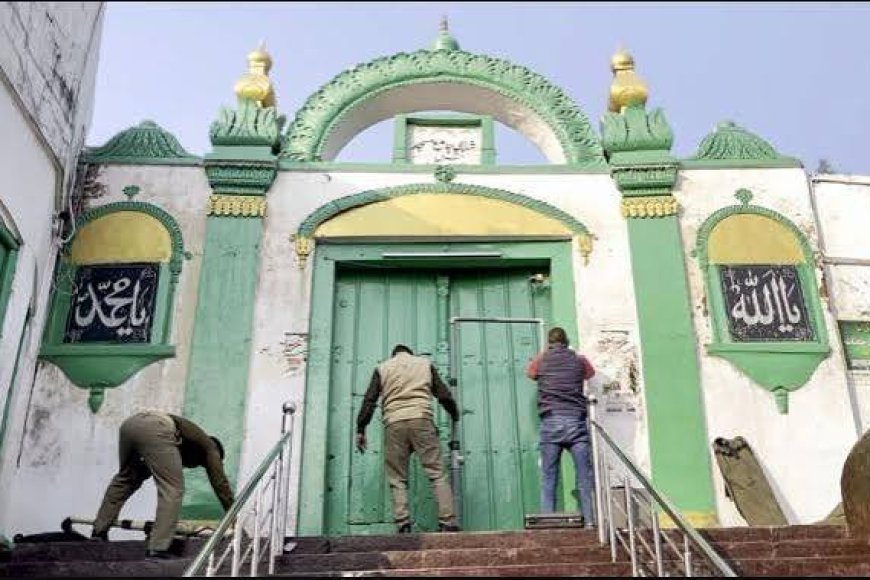
The unrest occurred during a court-ordered survey of the Shahi Jama Masjid, which a petition claimed was built over an ancient Harihar temple.
The commission found that misleading videos and provocative speeches, including by Barq, incited people against the survey and administration.
Four people died in the violence, with the commission stating their deaths were due to planned firing by the Muslim side, not police action.
The judicial commission constituted by the Uttar Pradesh government has concluded that the November 2024 violence in Sambhal was the result of a 'pre-planned conspiracy', praising the police and civil administration for preventing the unrest from escalating into wider communal riots across the state and the country.
The 370-odd page report of the commission was tabled in the Uttar Pradesh Assembly on Wednesday.
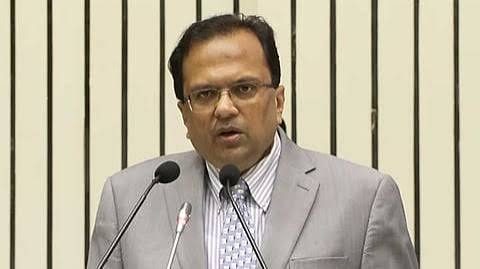
Commission's Findings on Orchestration : The three-member commission, constituted by the state government on November 28, 2024, was headed by former Allahabad high court judge Justice Devendra Kumar Arora, and included retired Indian Administrative Service officer Amit Mohan Prasad and former director general of police (DGP) Arvind Kumar Jain.
The violence broke out on November 24, 2024, during the second phase of a court-ordered survey of the Shahi Jama Masjid in Sambhal following a petition claiming that the mosque had been built over the site of an ancient Harihar temple.
Four people were killed, dozens injured and 12 FIRs were registered in connection with the incident.
According to the report, the violence was orchestrated by Sambhal MP Zia-ur-Rahman Barq; Sohail Iqbal, son of Samajwadi Party MLA Iqbal Mehmood; Jama Masjid Intazamia Committee president Zafar Ali; advocates Qasim Ali and Mashhood Ali Farooqui; Laddan Khan and other members of the mosque management committee.
The commission said the people named in its report were opposed to the court's November 19, 2024 order directing the survey of the mosque and had earlier attempted to obstruct the exercise.
It also referred to a 1927 agreement between the mosque's mutawalli and the then Moradabad district collector under which the mosque was to remain open to the public, but observed that it was presently being used exclusively by members of the Muslim community.
The report further said officials of the Archaeological Survey of India (ASI) faced resistance from members of the Intazamia Committee and an aggressive crowd, and were prevented from entering the mosque during the survey.
Role of Misinformation and Political Rivalry : The commission also said some anti-social elements circulated misleading videos claiming that the survey was an attempt to seize the Jama Masjid, creating fear among people and contributing to the violence.
It alleged that the accused concealed facts relating to a court case while falsely propagating that Hindus intended to demolish the mosque.
The report cited speeches made by Barq outside the mosque on November 19 and again after Friday prayers on November 22, alleging that he portrayed the survey as an attempt to threaten the mosque's existence, incited people against the administration and police, created an atmosphere of hostility by claiming that the mosque was in danger and compared the situation with the Ayodhya dispute.
It further observed that Barq and Sohail Iqbal played an active role in mobilising people on November 24 amid an ongoing political rivalry between the MP and the MLA.
The commission alleged that the two sought to discredit the government and the police administration to maintain their political dominance and influence over the community.
It also said a long-standing rivalry between Turk and Pathan groups within the Muslim community in the district contributed to the prevailing atmosphere.
Police Restraint and Casualties : The commission commended the district administration and police for maintaining law and order despite violent attacks, including attempts by the mob to snatch police weapons.
It said the personal presence of the district magistrate (DM), superintendent of police (SP) and other senior officials helped prevent the mob from entering the mosque and ensured the safety of the survey team.
The report also noted that despite attacks on police personnel, the force exercised restraint and did not use firearms, a finding corroborated by the ballistic examination conducted by the Forensic Science Laboratory (FSL) in Agra.
It said a foreign-made 12-bore cartridge was recovered from the scene, and alleged that both local residents and outsiders took part in the violence after being influenced by provocative speeches made by political and religious leaders.
The report said independent witnesses, media personnel and the court commissioner's photographer witnessed incidents of stone-pelting, firing and arson.
It further alleged that the mob not only pelted stones and opened fire but also looted police weapons and riot-control equipment, and set vehicles and other property ablaze.
The commission said the death of four persons during the violence was not caused by police firing but were the result of planned firing by members of the Muslim side, and said the finding was supported by the FSL's ballistic examination and a reconstruction report.
The report also noted that the families of the deceased had not claimed that the victims were killed in police firing.
It also recorded that 28 police personnel, including the SP and several other officers, were injured in the clashes. The panel has made recommendations to prevent recurrence of such incidents in future.