
Chandigarh : Sawan is a time of fasting and mindful eating. Here's a look at the foods devotees commonly eat and avoid during the holy month of Shravan.Written by Mallika KhuranaUpdated: August 05, 2026 08:17 ISTRead Time:3 min
Sawan is a sacred Hindu month focused on prayer, fasting, and mindful eating.Photo: Canva
Sawan, also called Shravan, is one of the most sacred months for Hindus. Dedicated to Lord Shiva, it is a time for prayer, fasting, temple visits, and spiritual reflection. Across India, millions of devotees observe fasts, especially on Mondays, known as Sawan Somvar.
But Sawan isn't only about worship. It is also about eating mindfully.
The food people choose during this month is deeply rooted in tradition. It also matches the changing weather. Since Sawan falls during the monsoon, many families switch to lighter, freshly cooked meals that are easier to digest.
So, what should you eat during Sawan? And what foods are usually avoided?Why Is Food So Important During Sawan?Food is seen as a part of devotion during Sawan. Many devotees follow a satvik diet, which focuses on simple, fresh, vegetarian food. It is believed to help keep both the body and mind calm while making it easier to focus on prayer.
The rainy season also brings higher humidity, which can increase the chances of food spoiling quickly. That is another reason why freshly prepared meals are preferred. What To Eat During Sawan
Fruits are one of the best foods to eat during Sawan. They are light, refreshing, and naturally rich in nutrients. Popular choices include bananas, apples, papaya, pomegranate, grapes, watermelon, musk melon, and pears.
Milk And Dairy : Milk has special significance during Sawan as it is also offered to Lord Shiva. Many people include milk, curd, buttermilk, paneer, and lassi. These foods are filling and provide protein and calcium.
Dry Fruits And Nuts : Need a quick energy boost during fasting? Dry fruits are a great option. You can enjoy almonds, walnuts, cashews, raisins, pistachios, and dates.
Sabudana : No Sawan fast feels complete without sabudana. It is commonly made into sabudana khichdi, sabudana vada, or sabudana kheer.
Fasting Flours : Instead of regular wheat flour, many devotees use kuttu flour or singhara flour to make pooris, rotis, pancakes, and pakoras.
Samak Rice : Also known as barnyard millet, samak rice is a favourite during vrat. It can be cooked just like regular rice or made into khichdi.
Potatoes And Sweet Potatoes : Simple, filling, and easy to cook, these are among the most commonly eaten vegetables during Sawan.
Makhana : Roasted makhana is a favourite fasting snack. It is light, crunchy, and keeps you full for longer.
Many people replace regular table salt with sendha namak, or rock salt, while observing fasts.What To Avoid During Sawan
Sawan is a sacred Hindu month focused on prayer, fasting, and mindful eating.
Many devotees stay away from non-vegetarian food throughout Sawan.
Eggs : Those following a strict satvik diet usually avoid eggs as well.
Onion And Garlic : These are generally left out of satvik cooking because they are traditionally believed to distract from a calm and peaceful state of mind.
Alcohol : Alcohol is avoided by many devotees during this sacred month.
Oily And Spicy Food : Heavy meals, deep-fried snacks, and extra spicy dishes are often limited because they can be difficult to digest during the monsoon.
Leftover Food : Many households avoid eating stale food and prepare fresh meals every day.
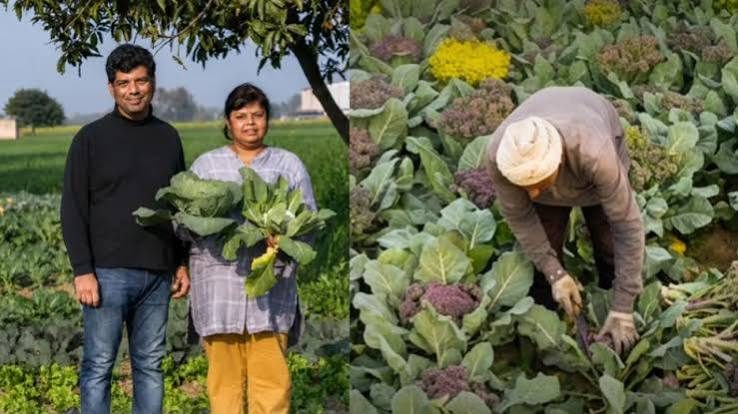
Leafy Vegetables : Some families avoid leafy greens during the rainy season because they can carry insects and are harder to clean thoroughly during the monsoon.
Some people fast only on Mondays, some avoid only non-vegetarian food, and others follow a satvik diet for the entire month. The traditions can vary from family to family and from one region to another.