
Mumbai : After Maharashtra's crackdown on analogue paneer, here's what dietitians say about its nutritional value, health concerns and how to choose fresh paneer.
Maharashtra bans analogue paneer. What is analogue paneer? why is it harmful.
Analogue paneer has been banned in Maharashtra because over 35 per cent of analogue paneer samples recently failed quality tests due to vegetable fat adulteration, raising concerns about public health.
Analogue paneer is not made from pure milk. It is prepared using vegetable fats, starch, emulsifiers and additives, making it a cheap substitute for fresh dairy paneer; it has lower nutritional value.
While buying paneer from stores, experts recommend purchasing only from trusted brands or hygienic dairies. You must check the manufacturing and expiry dates and avoid paneer with a sour smell or slimy texture.
If you love ordering Paneer Tikka and Paneer Butter Masala, you will be happy to know that the Maharashtra government has decided to ban the production, distribution and sale of unstandardised analogue paneer at all hotels and restaurants for a year.
State FDA Commissioner Tukaram Mundhe issued this gazette order on July 30, 2026, citing serious public health concerns.
The crackdown follows lab reports that showed that over 35 per cent of recent state paneer samples failed quality tests due to vegetable fat adulteration.
The move has raised concerns among consumers about what exactly analogue paneer is, whether it is the same as fake paneer and if it poses any health risks.
Dietician Ketaki Shah, who works as a consultant with children's hospitals in Kalyan, Dombivli and Thane, tells Rediff's Divya Nair how analogue paneer is very different from fresh, homemade or dairy paneer.
"Fresh paneer is made by curdling milk with lemon juice or vinegar. Analogue paneer is prepared by combining ingredients like palm oil or cheap vegetable fats and food additives. The texture, look and taste may feel the same but it is an unhealthy and cheaper substitute with zero nutritional value."
According to Zamurrud Patel, chief dietitian at Gleneagles Hospital in Parel (south-central Mumbai), "Many aren't aware that analogue paneer is made by using vegetable oils, starch, emulsifiers and additives."
Patel cautions using analogue/fake paneer for your subzi or a salad "as it is not made out of pure milk.
"It is not entirely unsafe. But because it uses low-quality products, it can lead to a higher intake of unhealthy fats, sodium and processed ingredients, which can negatively impact your well-being.
"It also provides less high-quality protein and calcium when compared to fresh paneer."
What is the best substitute for analogue paneer?
Currently fresh diary-based paneer is priced above Rs 350 per kg while analogue paneer is available for Rs 150 onward.
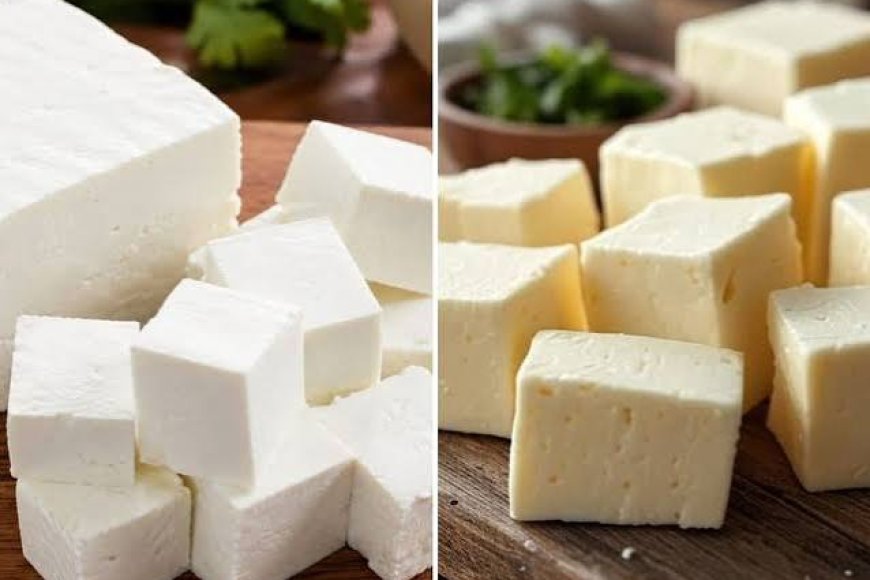
According to Ketaki Shah, fresh, milk-based paneer is rich in protein, calcium and essential nutrients. Since it offers better nutritional value, experts recommend consuming fresh, home-made paneer over analogue paneer.
"Choose fresh milk-based paneer and try to avoid substitutes that can impact health," says Patel.
Zamurrud Patel suggests following these basic tips while shopping for paneer:
"Buy paneer from a trusted brand or hygienic dairy. Make sure to check the manufacturing and expiry dates without fail."
She says fresh paneer can be identified easily.
"Fresh paneer should be white or slightly creamy. It will have a mild milky smell. It will be soft yet firm. Avoid paneer that has a sour or foul odour, a slimy texture, discolouration, cracks or is hard."
For best results, Patel stresses the importance of proper storage.
"Refrigerate paneer properly after purchasing. Consume it within a day or two. Don't store it for a long time as it may not be safe to eat."
Disclaimer: All content and media herein is written and published online for informational purposes only. It is not a substitute for professional medical advice. It should not be relied on as your only source for advice.
Please always seek the guidance of your doctor or a qualified health professional with any questions you may have regarding your health or a medical condition. Do not ever disregard the advice of a medical professional, or delay in seeking it because of something you have read herein.
If you believe you may have a medical or mental health emergency, please call your doctor, go to the nearest hospital, or call emergency services or emergency helplines immediately. If you choose to rely on any information provided herein, you do so solely at your own risk.
Opinions expressed herein cannot necessarily provide advice to fit the exact specifics of the issues of the person requesting advice.