
London: Lower back pain is one of the most common problems people experience, and it can affect daily activities. Earlier, it was prevalent among the older generation, however, now it happens among young adults as well.
Long hours of sitting, poor posture, lack of physical activity, muscle weakness, sudden movements and lifting heavy objects can all contribute to lower back pain.
In some cases, an underlying injury or medical condition may also be responsible. While occasional discomfort may improve with rest and simple measures, persistent or recurring pain may need medical evaluation.
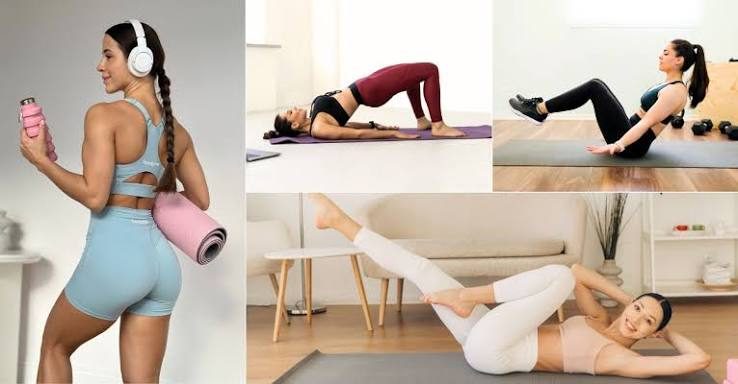
Regular, gentle exercise can help improve strength, flexibility and movement in people with certain types of lower back pain. Pilates is one form of exercise that focuses on controlled movements, core strength, posture and body awareness. Strengthening the muscles around the abdomen, hips and back may provide better support for the spine and improve movement. When performed with proper technique, Pilates may help manage lower back discomfort and improve back function. Here are some Pilates exercises that may help improve lower back pain.
Pilates Exercises For Lower Back Pain
1. Pelvic Tilt
Lie on your back with your knees bent and feet flat on the floor. Keep your arms relaxed by your sides. Gently tighten your abdominal muscles and tilt your pelvis so that your lower back moves closer to the floor. Hold for a few seconds and release. This movement helps you become aware of your pelvic position while activating the abdominal muscles. It can also help reduce stiffness in the lower back.
2. Bridge
Lie on your back with your knees bent and feet hip-width apart. Keep your arms beside your body. Tighten your core and slowly lift your hips towards the ceiling until your shoulders, hips and knees form a line. Lower your hips slowly. This exercise helps to strengthen the glutes, hamstrings and core muscles. Stronger muscles around the hips can provide better support for the lower back during everyday activities.
3. Cat-Cow Stretch
Start on your hands and knees, keeping your hands under your shoulders and knees under your hips. Slowly round your back towards the ceiling, then gently move into a slightly arched position while lifting your chest. This exercise encourages movement through the spine. It may help loosen a stiff back and improve spinal mobility without placing loads on the lower back.
4. Knee Folds
Lie on your back with your knees bent and feet on the floor. Engage your abdominal muscles and slowly lift one foot off the floor, bringing the knee towards your chest. Return the foot gently and repeat with the other leg. Knee folds train the core to remain stable while the legs move. This can improve control around the pelvis and lower spine and may be helpful for people who struggle with core weakness.
5. Bird Dog
Begin on your hands and knees. Keeping your spine in a neutral position, slowly extend one arm and the opposite leg. Hold briefly, then return to the starting position and switch sides. This exercise works on the core, back and hip muscles while improving balance. It encourages the body to keep the spine stable while the arms and legs move.
6. Swimming
Lie face down with your arms extended in front of you and legs stretched behind you. Gently lift one arm and the opposite leg, then alternate sides in a controlled movement. This exercise targets the muscles along the back of the body, including the back, hips and shoulders. Keep the movements small and avoid lifting the limbs too high, as excessive movement can strain the lower back.
7. Spine Stretch Forward
Sit upright with your legs comfortably extended in front of you. Keep your back tall and slowly reach forward, allowing your spine to gently round. Return to an upright position without forcing the stretch. The exercise can improve flexibility through the back and hamstrings. It should feel like a gentle stretch rather than a painful pull.
8. Child's Pose
Start on your hands and knees and slowly sit your hips back towards your heels. Extend your arms forward and allow your upper body to relax towards the floor as far as comfortable. Child's pose gives a gentle stretch to the back, hips and thighs. It can be useful at the end of a Pilates session to encourage relaxation and reduce stiffness.